Traffic Rules for Bikers In Bangladesh In 2025, As road safety becomes a pressing concern for Bangladesh, a new set of rules or guide for bicycle riders has just come into effect and will probably be implemented in its entirety with effect from 2025. These rules are based on the objective of accident prevention, responsible riding practice discipline, and the provision of safety to all roadsters. Here, in this article, we will try and explain the specifics of these rules, their consequences, and what strategies can be employed to manage as a rider in a changing world.
Traffic Rules for Bikers In Bangladesh In 2025
1. Mandatory Driving License for Purchase and Registration
In 2025 and onwards it will be a condition of sale or registration that one possesses a valid driving license appropriate for the type of machine an individual wishes to buy or register, i.e., a motorcycle. In this rule, the intention is to prevent unauthorized operation of motorcycles by riders who are trained and qualified. In this policy, the government intends to prevent road accidents due to unlicensed riders or novice riders. Check out Latest Motorcycle Laws and License Requirements in Bangladesh.
2. ‘No Helmet, No Fuel’ Policy
To emphasize the importance of head protection, a “No Helmet Equals No Fuel” policy has been rolled out on a national scale. According to this regulation, filling stations cannot provide motorcyclists who are not wearing helmets. Put in place in 2024, this policy has a proven impact such as greater helmet use throughout the country. The wearing of helmets is a must for the safety of riders in unexpected serious head injury in case of an accident (and thus, this regulation is a significant contribution to enhance the safety of the bikers (Source: RideApart).
3. Speed Limits for Motorcycles
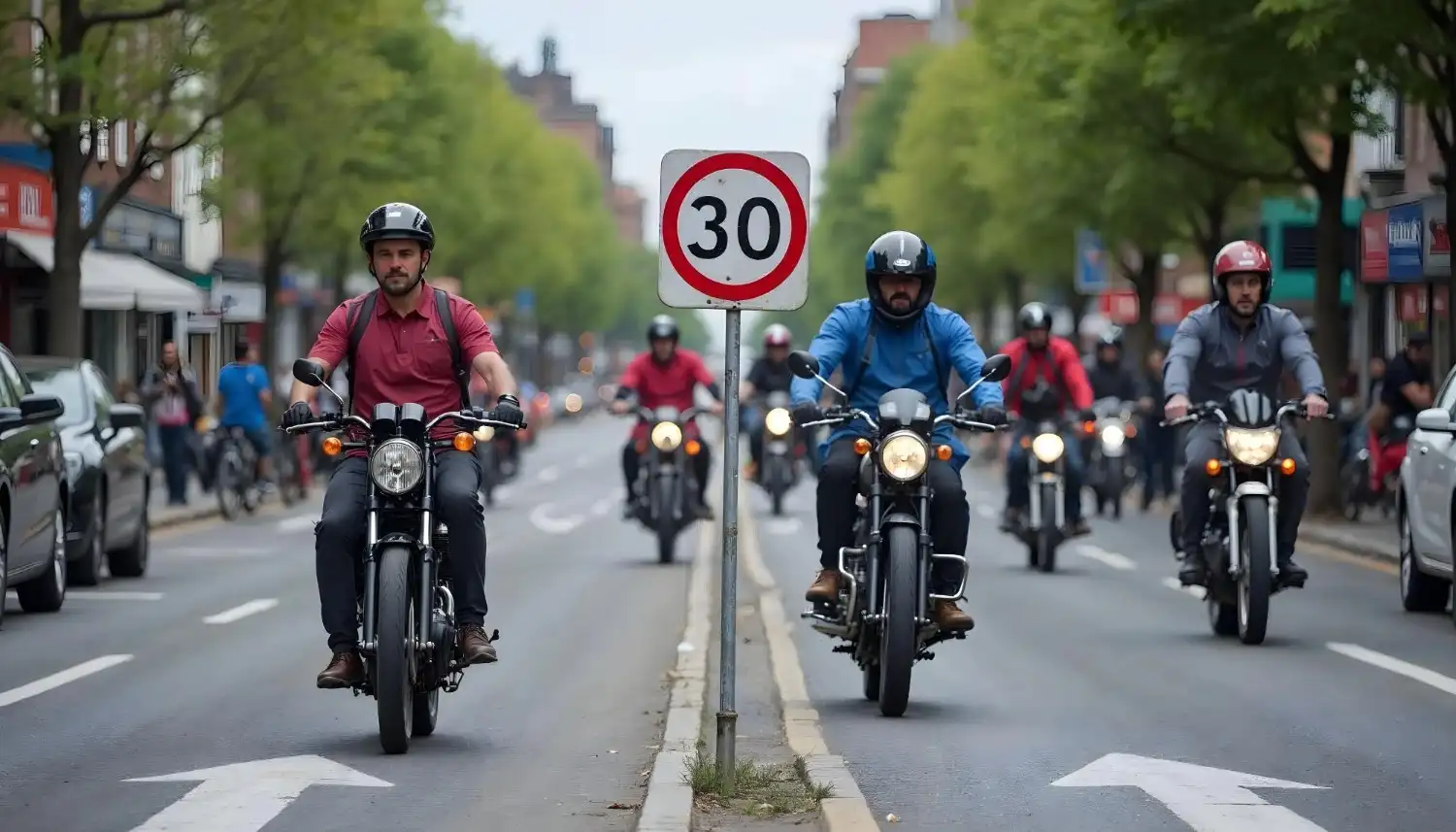
Motorcycle speeds have been unflexibly established rates to reduce the relative accident rate of high speed crashes. The speed limit is 60 km/h on a highway and 30 km/h in a city. Such thresholds are sustained by improved watch and by establishing the penalty for breaches of that threshold. The purpose is to create a safe ride as long as possible, and to prevent accidents caused by acceleration.
4. Highway Restrictions
The BRTA has proposed restriction on traveling with pillions on highways based on the high number of accidents due to pillions’ travel on motorcycles. From the perspective of the motorcyclists, it is recommended to detour or use service roads when traveling long distances. It is expected that this parameter will significantly reduce costs of high-speed traffic on roads.
5. Ban on Pillion Passengers on Highways
For the purpose of safety, motorcyclists are prohibited to street ride with passengers on highways. This rule takes into account the increased risk of balancing and maneuvering a motorcycle with an additional passenger, particularly at greater speeds. The prohibition seeks to decrease the level of both injury and death in motorcycle accidents.
6. Engine Capacity Limitations
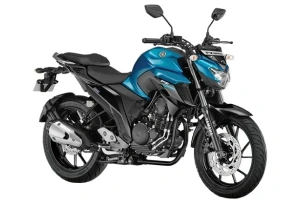
Motor capacities of the motorbike motor are currently overtoots 165µ are being managed by the government. Implemented in 2024 and continued in 2025, this policy will negatively impact vehicle dynamics for the sake of riding safety. By limiting the engine size, agencies attempt to deter the practice of reckless speeding and may contribute to safer motorcycles for riders.
7. Enhanced Penalties for Traffic Violations
In this way, new regulations include stricter sanctions for the traffic violations, for not wearing a helmet, for driving faster than the speed limit, or for exceeding the number of passengers allowed on the vehicle. Penalties have been increased in an attempt to deter illegal riders from committing blatant traffic law violations, and license suspension or revocation has been applied to habitual offenders.
8. Mandatory Safety Features for New Motorcycles
Manufacturers are now required to include, inter alia., anti-lock braking systems (ABS), brighter headlamp and better tire grip in new motorcycles. The following characteristics are being proposed as indicative of promoting motorcycle safety and reducing the risk of motorcycle accidents.
9. Awareness Campaigns and Rider Training Programs
In order to enhance the new regulations, the authorities have initiated awareness campaigns as well as rider training schemes. These activities all seek to train cyclists to practice road safety, the necessity to comply with traffic laws, and correct wearing of protective equipment. Authority aims to fulfil long-term road safety improvements through the inculcation of a culture of responsible riding.

How These Rules Benefit Bikers and the Community
In addition to traffic control limits, new traffic rules have actually aimed for improving the safety and fluidity of the road environment the whole time. Here are some of the key benefits:
- Reduced Accidents and Fatalities: By directly addressing the most significant factors contributing to motor vehicle crashes, i.e., speed and inadequate head protection adherence, the new rules could prevent road traffic injuries/fatalities to a much more significant degree.
- Improved Riding Skills: Compulsory licensing and training courses professionalize and equip the skilled motorcycle rider’s skillset with a consequent safer riding culture.
- Enhanced Public Awareness: Awareness campaigns inform riders and the wider population on road safety and promote a shared responsibility across all road users.
- Safer Highways: Limited, high speed access traffic on the roads way for pillion passengers (rider sitting behind in the motorbike) reduces the risk associated with high-speed traffic and therefore the roads can be made safer for all.
- Better Compliance with Global Standards: Using the practices from around the world as a benchmark, Bangladesh implements the road safety standards by adopting the new safety features and the stricter regulation around the world.
Challenges in Implementing the New Rules
Rule-in-principle that-although new traffic regulations they are a good-intentioned rule of the roads are not without problems. Some of the key hurdles include:
- Public Resistance: A natural reaction of some riders to be initially resistant to the required changes, such as to incur extra costs, e.g., to purchase crash helmets or to increase motor engine power.
- Enforcement Issues: Enforcement of compliance corresponds to greater surveillance and greater resources, which could be a significant burden on law enforcement agencies.
- Infrastructure Limitations: In cases where there are no specific lanes for motorbikes and limited road construction in certain areas, traffic rules may be difficult to implement properly.
- Cost Implications: Motorcycle conversion into increasingly fine for certain, safety standards can be financially straining.
Tips for Bikers to Adapt to the New Rules
These regulation, however, allow bicycle riders to some degree of preparation in advance to ensure both compliance to the regulation (i.e., preparing in advance being the initial step) and safety (i.e., being prepared to apply break force according to the regulation on the spot).
- Obtain a Valid Driving License: Get enrolled in a driving school and achieve the required test to obtain a driver’s license even if, at present, you don’t have one.
- Invest in Quality Helmets: Select helmets conforming to safety standards and fit properly with sufficient room to optimise protection.
- Follow Speed Limits: Driving in accordance with speed limits and defensive riding to prevent accidents should be adhered to.
- Upgrade Your Motorcycle: When safety features from article are not provided in the bicycle, perform upgrade or retrofits of the bicycle in accordance with the new articles.
- Stay Informed: Keep up with the latest traffic rules and participate in awareness programs to stay informed about road safety practices.
- Plan Your Routes: Do not use motorways closed to motorbikes and try to find safer alternative routes, where available.
- Participate in Training Programs: Make use of government-funded programs that cover rider training courses to gain a greater knowledge and skills base.
Conclusion
Traffic Rules for Bikers In Bangladesh In 2025 is an important step in the right direction towards achieving road safety and decreasing traffic accidents. While these rules may seem initially daunting, they will ultimately produce beneficial effects that will be better than the temporary inconvenience they lead to. Following these guidelines and practicing responsible riding etiquette, bikers can contribute to a safer and more streamlined roadway. When these shifts occur, it is extremely important for riders, policymakers and enforcement body to have collaboratively and smoothly work towards the successful implementation of each change. Together, we can make the roads safer for everyone.